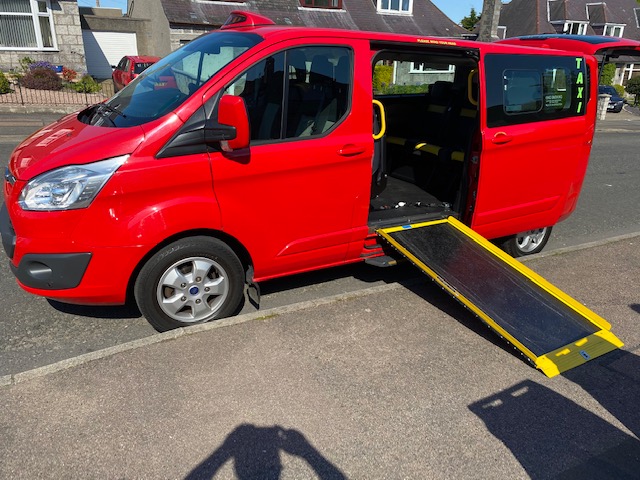
Taxi fares for people with disabilities is an important topic in modern transportation discussions, as it focuses on ensuring equal access to mobility services for everyone regardless of physical or cognitive ability 復康的士收費. Transportation is a basic need in daily life, and fair pricing combined with accessible services plays a key role in supporting independence, employment opportunities, healthcare access, and social participation. Across many cities worldwide, governments, private companies, and advocacy groups are working to improve how taxi systems serve passengers with diverse needs.
For many individuals, transportation is more than just moving from one place to another. It is a vital link to essential services such as hospitals, workplaces, educational institutions, and community centers. When taxi fares are structured fairly for people with disabilities, it helps reduce barriers that may otherwise limit participation in everyday life. The conversation around inclusive transport is also closely connected to global efforts led by organizations such as the World Health Organization and the United nations, both of which emphasize equal access and dignity for all individuals.
One of the key challenges in ensuring fair taxi fares for people with disabilities is the variation in pricing systems. In some regions, additional costs may be applied for specialized vehicles, assistance requirements, or extra time needed for boarding and exiting. These additional charges can create financial strain for passengers who already face higher living costs due to accessibility needs. Advocates argue that transportation pricing should be structured in a way that does not penalize individuals for requiring support or adapted services.
Accessible taxis are designed to accommodate passengers with different mobility needs, including wheelchair users and individuals who require additional assistance. These vehicles may include ramps, larger entry spaces, secure seating systems, and trained drivers who understand how to support passengers safely. While these features are essential, they can sometimes lead to higher operating costs for service providers, which may influence fare structures. The challenge lies in balancing fair compensation for drivers and companies while ensuring affordability for users.
In many urban areas, governments have introduced policies to regulate taxi fares for people with disabilities. These policies often aim to prevent discrimination and ensure that passengers are charged the same base fare as other users, regardless of their accessibility needs. Some cities also provide subsidies or financial support to transportation providers to help offset the cost of accessible services. These measures are designed to promote fairness and encourage the availability of inclusive transport options.
Another important aspect of taxi fares for people with disabilities is transparency. Clear and understandable pricing helps build trust between passengers and service providers. When fares are predictable and consistent, users can plan their travel with confidence. Hidden charges or unclear pricing structures can create confusion and discourage individuals from using taxi services. Transparency is therefore a key component of building an inclusive transportation system.
Technology has also played a significant role in improving access to taxi services. Many ride booking platforms now include accessibility features that allow users to request adapted vehicles or specify their needs in advance. This helps reduce uncertainty and improves the overall travel experience. Digital systems can also provide fare estimates, making it easier for passengers to understand costs before confirming a ride. These innovations contribute to a more inclusive and user friendly transport environment.
Despite progress in many regions, challenges still remain. In some areas, the availability of accessible taxis is limited, leading to longer wait times or higher demand surcharges. This can make transportation less reliable for people with disabilities. In addition, not all drivers are trained to assist passengers with specific needs, which can affect the quality of service. Addressing these gaps requires ongoing investment in training, infrastructure, and policy enforcement.
Public awareness is another important factor in improving taxi fares for people with disabilities. When society better understands the challenges faced by individuals with accessibility needs, there is greater support for inclusive policies. Education campaigns and advocacy efforts help highlight the importance of equal access to transportation. These initiatives encourage both public and private sectors to prioritize fairness in their services.
Economic considerations also play a role in shaping fare structures. Transportation providers must balance operational costs such as vehicle maintenance, fuel, and staff training. For accessible taxis, these costs may be higher due to specialized equipment and additional service requirements. However, many experts argue that these costs should be supported through public funding or incentive programs to ensure that passengers are not unfairly charged.
In some regions, community based transportation services have emerged as an alternative solution. These services are often designed specifically for people with disabilities and may operate at reduced or subsidized fares. While they help address accessibility gaps, they are not always available everywhere and may have limited coverage. Integrating these services with mainstream taxi systems could provide a more comprehensive solution in the future.
Fair taxi fares also contribute to broader social inclusion. When transportation is affordable and accessible, individuals with disabilities can participate more fully in society. This includes attending social events, accessing healthcare, and maintaining employment. Reliable transportation supports independence and improves overall quality of life. It also reduces reliance on caregivers or family members for mobility assistance.
Driver training is another essential element in improving taxi services. Drivers who understand how to assist passengers with disabilities can provide safer and more comfortable journeys. Training programs often focus on communication skills, safe handling of mobility equipment, and awareness of different accessibility needs. When drivers are well prepared, the overall service experience improves significantly.
Looking toward the future, innovation is expected to continue shaping the landscape of accessible transportation. Advances in vehicle design, smart mobility systems, and digital platforms will likely improve both accessibility and affordability. Governments and organizations are increasingly recognizing the importance of inclusive transport as part of sustainable urban development goals.
In conclusion, taxi fares for people with disabilities represent a crucial aspect of inclusive transportation systems. Fair pricing, accessible vehicles, transparent policies, and supportive technologies all contribute to creating a more equitable travel experience. While progress has been made in many regions, continued effort is needed to ensure that transportation remains affordable, reliable, and dignified for everyone. By prioritizing accessibility and fairness, societies can move closer to a future where mobility is truly available to all without barriers.