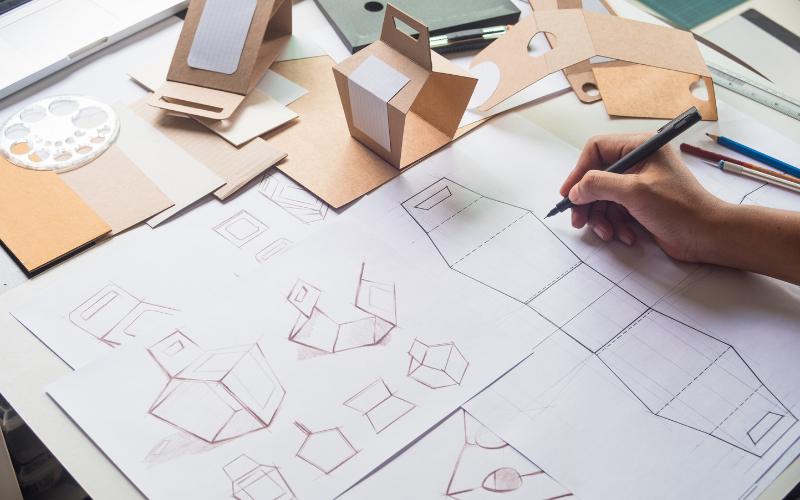
In today’s fast-paced market, packaging plays a crucial role in influencing consumer decisions, building brand identity, and enhancing the overall product experience. Among various packaging solutions, Carton Packaging Design stands out as a versatile and eco-friendly option that combines functionality with creativity. From luxury goods to everyday consumer products, carton packaging offers a unique opportunity for brands to communicate their story, showcase their values, and leave a lasting impression on their customers.
Carton packaging is often the first point of physical interaction between a product and its consumer. Unlike simple wrappers or plastic containers, cartons provide a larger surface area for design, allowing brands to convey their identity through colors, typography, imagery, and textures 包裝盒設計. This makes carton packaging a vital element of marketing strategy, especially in retail environments where visual appeal can determine purchase decisions. A well-designed carton not only protects the product but also becomes a reflection of the brand’s personality and values.
One of the key advantages of carton packaging is its sustainability. In an era where consumers are increasingly concerned about environmental impact, cartons offer a renewable, recyclable, and biodegradable alternative to plastics and other non-recyclable materials. Designers now focus on creating carton packaging that reduces waste while maintaining visual appeal and structural integrity. From minimalistic designs that use fewer materials to innovative folding techniques that eliminate excess layers, carton packaging has evolved to meet the demand for environmentally responsible solutions.
The versatility of carton packaging also contributes to its popularity. Cartons can be crafted in a variety of shapes and sizes, tailored to the specific requirements of the product. Whether for delicate electronics, gourmet food, cosmetics, or beverages, carton packaging can be customized to provide optimal protection and presentation. Structural design plays a crucial role in ensuring that cartons are both functional and aesthetically pleasing. Designers employ techniques such as die-cutting, embossing, and windowing to enhance the visual appeal while maintaining practicality.
A major trend in modern carton packaging design is the incorporation of interactive and experiential elements. Consumers increasingly value packaging that goes beyond mere containment, offering an engaging experience that connects them to the brand. Features such as pull-out compartments, clever folding mechanisms, or augmented reality integrations allow carton packaging to become part of the product journey. This approach not only differentiates the product on the shelf but also fosters brand loyalty by creating memorable experiences.
Branding is central to the design of carton packaging. Each element, from the choice of fonts and colors to the arrangement of visual elements, is carefully curated to align with the brand’s messaging. Luxury brands often utilize high-quality paperboards, foil stamping, and intricate patterns to convey elegance and sophistication, while contemporary brands may adopt bold colors, modern typography, and playful graphics to attract a younger audience. The packaging itself becomes a storytelling medium, communicating the brand ethos before the consumer even opens the product.
Print technology has revolutionized carton packaging design, allowing for high-resolution graphics, spot UV finishes, metallic inks, and other advanced printing techniques. These capabilities enable designers to produce cartons that are visually striking and tactilely engaging. Innovative use of finishes, textures, and laminations can enhance the perceived value of the product, making even simple cartons feel premium and high-end. Additionally, advancements in digital printing allow for small-batch, customized designs that cater to niche markets or limited edition products, further expanding the possibilities of carton packaging.
Functionality remains a critical consideration in carton packaging design. Beyond aesthetics, cartons must ensure product safety during transport, storage, and display. Designers consider factors such as strength, stackability, and ease of opening to provide a practical solution that meets both brand and consumer needs. Protective inserts, reinforced corners, and ergonomic designs help prevent damage while maintaining a pleasant unboxing experience, which has become an essential component of modern consumer engagement.
Sustainability also extends to the supply chain in carton packaging. Many brands now prioritize sourcing paperboard from responsibly managed forests and employing eco-friendly inks and adhesives. Lightweight yet durable cartons reduce transportation costs and carbon footprint, while recyclable or compostable materials align with growing consumer expectations for corporate responsibility. Carton packaging design, therefore, represents not only creativity but also a commitment to environmental stewardship and ethical production practices.
Emerging trends in carton packaging design also include personalization and limited edition releases. Brands are increasingly leveraging technology to print customized messages, names, or designs on cartons, providing consumers with a unique and personal experience. This level of customization enhances engagement, drives social media sharing, and strengthens brand-consumer relationships. Limited edition cartons can also create excitement and exclusivity, encouraging repeat purchases and fostering a sense of community among loyal customers.
Digital media and e-commerce have further transformed carton packaging. Online shoppers often evaluate products based on images before purchasing, making visual appeal even more important. Carton packaging must therefore not only function physically but also photograph well, representing the brand effectively on digital platforms. Designers consider colors, textures, and graphics that capture attention online while remaining true to the physical experience, bridging the gap between digital and real-world presentation.
Carton packaging also provides opportunities for storytelling and cultural expression. Designers often integrate cultural motifs, historical references, or artistic inspiration into carton designs to connect with specific audiences. Packaging can reflect local heritage, seasonal celebrations, or global trends, creating a meaningful connection between the consumer and the product. These design choices enhance perceived value and contribute to a brand’s narrative, allowing carton packaging to function as both a protective container and a cultural ambassador.
Innovation in carton packaging design continues to push boundaries. Smart packaging elements, such as QR codes, NFC tags, and interactive graphics, provide additional layers of consumer engagement. These features allow brands to offer content, promotions, or product information directly through the packaging, bridging the gap between physical and digital experiences. Carton packaging is no longer just about holding a product—it has become a platform for interaction, communication, and brand storytelling.
Collaboration between designers, manufacturers, and marketers is essential in creating effective carton packaging. Designers must understand production limitations, material properties, and consumer behavior to develop solutions that balance creativity, functionality, and cost efficiency. Close collaboration ensures that packaging not only looks compelling but also performs reliably throughout the supply chain, from production to delivery to the consumer.
Education and professional development have also strengthened the carton packaging industry. Design schools, workshops, and professional networks provide resources for designers to explore innovative techniques, sustainable practices, and emerging trends. Continuous learning ensures that the industry evolves with changing consumer expectations, technological advancements, and market demands, keeping carton packaging at the forefront of product presentation.
In conclusion, Carton Packaging Design is a dynamic field that blends creativity, functionality, sustainability, and consumer engagement. Through thoughtful design, innovative materials, and advanced printing techniques, carton packaging transforms ordinary products into memorable experiences. It communicates brand identity, enhances product value, and fosters a lasting connection between consumers and brands. In an era where first impressions matter more than ever, carton packaging remains a powerful tool for businesses seeking to differentiate themselves and create meaningful, lasting impressions on their customers.